Smart Cities Mission 2.0: 150 Cities Selected, Projects Worth 2.5 Lakh Crore Planned for Urban Transformation
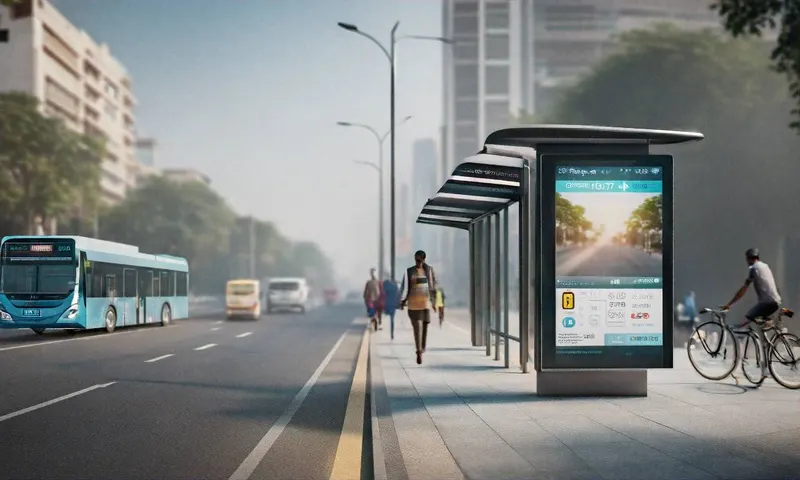
From what the data shows, when the Smart Cities Mission was first announced in June 2015, it came with the kind of buzzword-heavy fanfare that makes urban planning types like me simultaneously excited and nervous. "Smart" was supposed to mean something specific. Eleven years later, with Mission 2.0 now expanding the programme to 150 cities and a budget of 2.5 lakh crore rupees, it is fair to ask: did it work? And more importantly, what does "smart" actually look like on Indian streets?
The answer, predictably, is complicated. Some cities got it genuinely right. Others spent crores on command centres that sit mostly unused. And a few turned "smart city" into a convenient excuse to demolish hawker zones and build shiny infrastructure that serves the middle class while ignoring everyone else. Let me break this down city by city, pillar by pillar, because the devil really is in the details here.
The Original Mission: A Quick Report Card
Based on the figures available, the first phase picked 100 cities through a competitive bidding process. Each city got 500 crore from the Centre, with matching state contributions. Total investment, including private money, crossed 2 lakh crore. As of February 2026, about 92 percent of original mission projects are complete.
But that 92 percent number hides a lot. Completion rate tells you how many projects were finished. It does not tell you whether those projects are actually working, whether citizens are using them, or whether they solved the problems they were supposed to solve. A city can build an Integrated Command and Control Centre, tick the "completed" box, and still have it sitting there with half its screens showing static because the sensors feeding it data were never properly maintained.
Let me give you the honest city-by-city assessment based on what I've seen and researched.
The Cities That Got It Right
Surat -- The Gold Standard: If there is one Indian city that can genuinely call itself "smart" without irony, it's Surat. Their ICCC monitors over 12,000 CCTV cameras, manages 150 traffic junctions, and coordinates emergency response across the city. Crime reporting is down 25 percent. Emergency response times improved by 30 percent. But here's what makes Surat different from cities that just built a fancy control room -- they actually invested in the backend. The cameras are maintained. The data feeds are reliable. The city has dedicated IT staff, not just for installation but for ongoing operations. The municipal commissioner personally reviews ICCC dashboards every morning. That kind of institutional commitment is what separates a smart city from a city with expensive gadgets.
Indore -- Cleanliness as a Smart Solution: Indore did not just win the Swachh Survekshan title seven years running because of luck. Their waste management system is a textbook case of technology applied sensibly. GPS-tracked collection vehicles ensure every lane gets covered. Waste segregation at source is enforced -- yes, actually enforced, with fines for non-compliance. A waste-to-compost facility processes organic waste into usable fertilizer. The whole system is monitored through a dashboard that shows real-time truck locations, collection completion rates, and citizen complaints. Simple. Effective. Not flashy. That is what smart should mean.
Bhopal -- Public Transit Done Well: Bhopal got it right with their BRTS and public bicycle sharing system. 500 cycles across 50 docking stations, integrated with a bus system that has real-time GPS tracking. Their citizen services app has been downloaded by over 8 lakh residents -- in a city of 25 lakh, that's significant adoption. The key? They didn't try to do everything at once. They picked three or four things and did them well.
Pune -- Water Intelligence: Pune tackled its water crisis using smart metering and leak detection. Their system reduced water losses from 40 percent to 22 percent. In absolute terms, that is saving about 100 million litres of water every single day. In a country where water scarcity is a genuine crisis in dozens of cities, this kind of result deserves way more attention than it gets.
The Cities That Struggled
Varanasi -- Heritage vs. Modernity Clash: Varanasi? Not so much. The city's smart city plan always had an identity crisis -- how do you "smartify" one of the oldest continuously inhabited cities on Earth without destroying what makes it special? The answer, unfortunately, was to focus on surface-level beautification of the ghats and some LED streetlighting while the city's actual problems -- sewage flowing into the Ganga, medieval drainage systems, and chaotic traffic in the old city -- remained mostly untouched. The heritage zone management system that was proposed is still stuck in planning. The smart city CEO's office has changed hands four times. Continuity? Zero.
Guwahati -- Good Ideas, Poor Execution: Guwahati had a solid proposal for flood prediction using IoT sensors and AI modelling. On paper, it was one of the most thoughtful proposals in the entire mission. In reality? The sensors were installed, some of them stopped working within a year because nobody had budgeted for battery replacement and maintenance, and the AI system was trained on insufficient data. The 2024 floods hit the city just as badly as before. Under Mission 2.0, they're getting a second chance to get this right. I genuinely hope they do, because the idea is sound -- it's the execution and maintenance culture that failed.
Ajmer -- The Ghost Command Centre: I visited Ajmer's ICCC last year. It looked impressive -- big screens, sleek workstations, air-conditioned to perfection. But only three of the twelve workstations were occupied. The "real-time traffic management" screen showed data that was two hours old. The CCTV feeds from half the locations were offline. When I asked why, the operator shrugged and said, "Internet problem hai sir. Vendor ko bola hai." This is the gap between building smart infrastructure and actually running it. Hundreds of cities across India have built ICCCs. How many are genuinely operational at full capacity? I would bet less than a third.
Mission 2.0: What's New and What's Different
The Union Cabinet approved Smart Cities Mission 2.0 in January 2026. It keeps the original 100 cities for continued development and adds 50 new ones. The new cities were picked based on population, economic potential, geographic representation, and the quality of their proposals. Notable additions include Gorakhpur, Siliguri, Mysuru, Thrissur, Jodhpur, Chhatrapati Sambhajinagar, Rourkela, Shimla, and Jammu.
As things stand right now, each new city gets 500 crore from the Centre over five years, with mandatory state matching. The total project outlay across all 150 cities is estimated at 2.5 lakh crore, including private sector investment.
What's genuinely different this time is the framework. Mission 2.0 is built around four pillars, and cities are required to show measurable outcomes against each one. Not just "project completed" but "impact achieved." That distinction matters.
Pillar 1: Smart Governance -- Making Nagar Palikas Work
Every city must build a unified municipal services portal. Property tax, water bills, building permissions, trade licences, birth and death certificates, complaints -- all on one platform. The idea isn't new, but the enforcement is stricter this time. The Centre has tied fund disbursement to governance reform milestones. Don't digitize your services? Don't get your next tranche of money.
The ICCC mandate continues, but with a catch -- cities now have to show that the ICCC actually works, with monthly utilization reports submitted to the Mission Directorate. If your command centre is just a photo op for visiting dignitaries, the auditors will flag it. At least that's the plan. Whether central bureaucrats actually follow through on penalizing non-performing cities is the million-crore question.
Pillar 2: Smart Mobility -- Fixing How India Moves in Cities
This is where I get most excited, because Indian urban transport is a disaster zone. The average commuter in Bengaluru, Delhi, or Mumbai spends 2-3 hours daily just getting to and from work. That is insane. Smart mobility under Mission 2.0 targets this through:
AI-powered traffic signal management -- cameras and sensors that adjust signal timing in real-time based on actual traffic flow, not pre-programmed timers that turn red when there are zero cars waiting. Surat and Pune have already deployed these to good effect.
Integrated multimodal transport -- connecting buses, metro, cycling lanes, and walking paths into one network with single-ticket access. Right now, if you take a metro to a station and then need a bus, you buy a separate ticket, wait at a separate stop, and use a separate app. Mission 2.0 wants to fix this with unified transport cards and apps.
EV charging infrastructure is mandatory now. Every smart city must install a minimum number of public charging stations based on population. This is forward-thinking, given that EV sales in India are growing at 40+ percent annually but charging infrastructure remains pathetic in most cities.
Smart parking systems that use sensors and apps to guide drivers to available spots. In Delhi, I once spent 35 minutes looking for parking in Connaught Place. Someone calculated that the average Indian urban driver wastes 20 minutes per trip looking for parking. Multiply that by crores of cars and you have a massive waste of time and fuel.
Pillar 3: Smart Environment -- The Survival Pillar
Indian cities are among the most polluted, water-stressed, and waste-choked in the world. This isn't an exaggeration -- check the WHO air quality database. The environment pillar is less about being smart and more about not killing our cities.
Solid waste management: Every city must achieve 80 percent scientific waste processing by 2028. "Scientific" means actual segregation, composting, recycling, and waste-to-energy -- not just dumping everything in a landfill and calling it a day. Indore has shown it's possible. Most other cities are nowhere close.
Water management: 24x7 water supply is the target. Currently, most Indian cities supply water for 2-4 hours a day. Smart water metering reduces losses from leaking pipes. Stormwater drainage improvements to prevent the annual monsoon flooding that turns every Indian city into a swimming pool. Wastewater recycling plants. All good targets, all extremely expensive to implement.
Air quality monitoring: Real-time monitoring networks with public display boards. Some cities already have these -- the SAFAR system in Delhi, Mumbai, Ahmedabad, and Pune provides hourly air quality data. Mission 2.0 wants this expanded to all 150 cities. The data is useful, but monitoring air quality without actually reducing pollution is like a doctor checking your temperature while you're standing in a fire.
Pillar 4: Smart Living -- Quality of Life
This one covers affordable housing (integration with PM Awas Yojana), smart health centres with telemedicine, digital libraries, sports facilities, and public safety through CCTV and emergency response. It's the broadest pillar and frankly the hardest to measure. What counts as "improved quality of life"? A new park? A CCTV camera on your street? A telemedicine kiosk that nobody uses because they prefer going to the clinic?
If the current trend holds, the housing integration is probably the most impactful element here. Under PMAY-Urban, 1.2 crore houses have been built. Connecting smart city infrastructure -- water, sewage, power, internet -- to these housing clusters makes them actual livable communities rather than just concrete boxes on city outskirts.
The Money Equation: Who Pays, Who Benefits
The 2.5 lakh crore budget sounds enormous, but spread it across 150 cities over 5 years and it's about 3,300 crore per city. That covers everything -- governance platforms, road improvements, water supply, waste management, the whole thing. For a city like Surat with a municipal budget of over 6,000 crore annually, 3,300 crore over 5 years is a nice supplement. For a city like Rourkela with a municipal budget of maybe 400 crore, it's a game-changing infusion.
The PPP model is supposed to bring private money in at a ratio of 2.5:1. That is, for every government rupee, two and a half rupees of private investment. Some cities have exceeded this -- Surat and Pune attract private money easily because they have strong governance and growing economies. Others struggle to attract any private investment because no company wants to partner with a municipal corporation that can't even pay its own staff salaries on time.
The Citizen Voice: Do People Actually Want This?
Here's something that doesn't get discussed enough. The MySmartCity app lets citizens report issues, suggest ideas, and vote on proposed projects. In theory, this is participatory urban planning. In practice, the app has low adoption in most cities, and the feedback that does come in skews heavily towards English-speaking, smartphone-using middle-class residents. The opinions of rickshaw pullers, domestic workers, street vendors, and slum residents -- who arguably need "smart" solutions the most -- are largely absent from these platforms.
Mission 2.0 mandates neighbourhood committees and town halls for citizen engagement. But having attended several of these in different cities, I can tell you the usual attendees are retired government officers, local businessmen, and RWA presidents. The common person working 12-hour shifts doesn't have the time or energy to attend a town hall about "smart mobility solutions." This is the fundamental tension in the smart city concept -- it risks becoming a programme by and for the urban middle class, with the urban poor as spectators.
The Capacity Problem Nobody Wants to Talk About
Here is my biggest concern about Mission 2.0. You can build the most sophisticated smart infrastructure in the world, but if the Nagar Palika running it has a staff crunch of 40 percent, no dedicated IT team, and a new commissioner every 18 months who changes priorities completely -- what happens to all that technology five years down the line?
Indian urban local bodies are among the weakest institutions in our governance structure. They are starved of funds, talent, and autonomy. The Smart Cities Mission created Special Purpose Vehicles to bypass some of these limitations, and they helped during the project implementation phase. But eventually, the SPVs will probably be dissolved and the municipal corporation will probably have to run and maintain everything. Are they ready? In most cities, honestly, no.
The Mission Directorate has set up capacity building programmes and knowledge-sharing platforms. There's a National Urban Technology Mission that develops standardized solutions replicable across cities. These are steps in the right direction. But the real fix is strengthening municipal governance itself -- better pay to attract talent, longer tenures for key officials, more financial autonomy. That's a political and institutional reform that goes way beyond what any mission directorate can deliver.
Looking Ahead: What Will Success Look Like?
Five years from now, success won't be measured in how many ICCCs are built or how many apps are launched. It will be measured in whether an auto driver in Indore breathes slightly cleaner air. Whether a woman in Guwahati doesn't lose her home to floods because an early warning system actually worked. Whether a daily wage worker in Varanasi can file a municipal complaint on his phone and get a response within a week. Whether a family in Gorakhpur gets 24-hour water supply for the first time.
That's the real scorecard. Everything else is PowerPoint presentations.
I'll continue tracking this mission across cities, reporting on what works, what fails, and what gets quietly abandoned when nobody is looking. Because "smart" should not be a label you slap on a city. It should be something its residents actually feel.
Source: This article is based on official information from the Ministry of Housing and Urban Affairs, the Smart Cities Mission portal (smartcities.gov.in), Press Information Bureau releases dated February 2026, and the author's field visits to multiple smart city project sites.
Comments 0
Leave a Comment